Online Reputation Management: UK Business Guide 2026
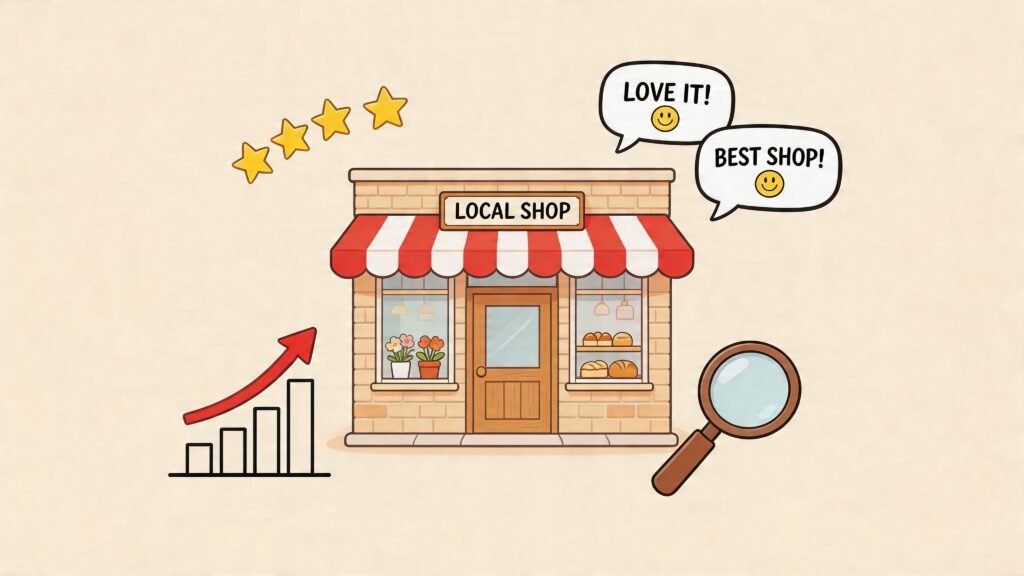
Online reputation management isn't a side task any more. It's a growth function. In the UK, 93% of consumers say online reviews directly influence their buying decisions, yet only 17% of companies actively maintain a detailed online reputation management plan (nadernejadmedia.com). That gap matters.
Most local businesses still treat reputation as something to tidy up after a bad review lands. That approach is too narrow. Customers form opinions from your Google Business Profile, Facebook comments, local directory listings, tagged and untagged social mentions, news coverage, staff review sites, and even AI-generated search summaries. If those signals are inconsistent, outdated, or unmanaged, you lose trust before anyone visits your shop, books your service, or calls your office.
A proper online reputation management strategy does more than protect your name. It improves local visibility, gives staff a clear response process, and helps you turn customer feedback into stronger operations and better search performance.
What is Online Reputation Management Today
In practical terms, online reputation management is the work of shaping how your business appears across the web, then responding quickly when reality and public perception drift apart.
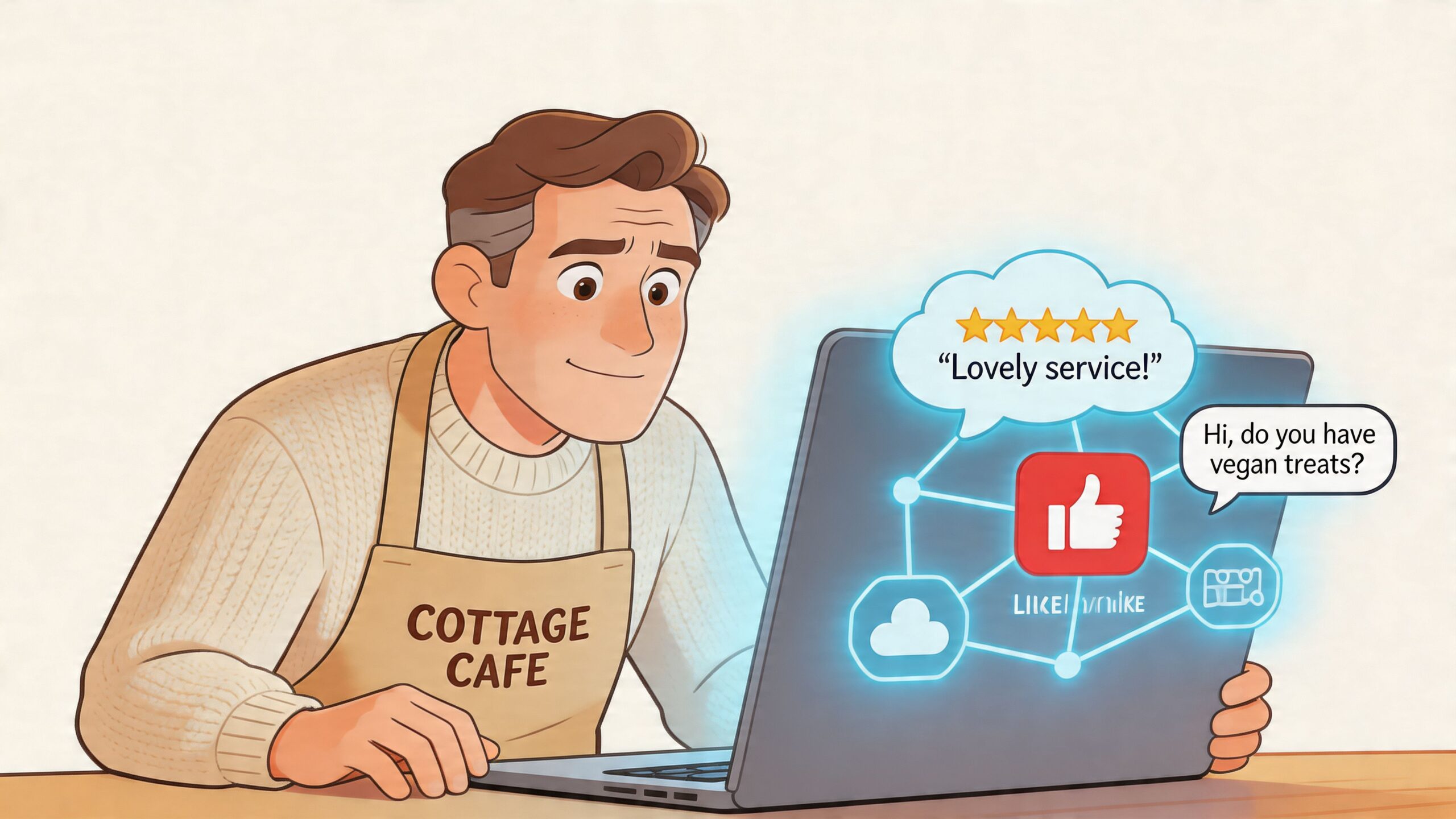
For a local business, that means more than replying to Google reviews. It includes:
- Review platforms such as Google, Trustpilot, Facebook, TripAdvisor, or sector-specific directories
- Social channels where customers comment publicly or share poor experiences privately
- Business listings where outdated details create friction
- Search results that shape first impressions before a customer even clicks
- Media and community mentions on blogs, local news sites, and forums
It’s broader than review management
Review management is one part of the job. Online reputation management is the wider system around it.
A restaurant might have strong Google reviews but weak reputation signals elsewhere. Its Facebook page may go unanswered, its opening hours may be wrong on a directory, and a local thread may mention poor service with no response. The owner thinks reputation is fine because the star rating looks healthy. A customer sees a mess.
That’s why ORM needs a joined-up process. If you're building that wider view, this guide to social media and reputation management is a useful companion because it shows how social channels affect trust long before a customer leaves a formal review.
It’s also operational, not just promotional
Good online reputation management sits between marketing, customer service, local SEO, and operations. If reviews repeatedly mention late arrivals, stock issues, or rude handovers, the answer isn't better copywriting. The answer is fixing the service problem and making sure your digital channels reflect the improvement.
Practical rule: Reputation work starts with visibility, but it only pays off when the business changes what customers actually experience.
For local businesses using AI to support that process, it helps to think beyond content generation and into faster maintenance, response handling, and listing control. This overview of how to use AI for local SEO is a sensible place to start: https://localhq.io/how-to-use-ai-for-local-seo/
Why Reputation is a Core Business Function
A lot of owners still treat reputation like a soft marketing issue. It isn't. It affects whether customers choose you, whether Google surfaces you, and whether your team spends the week dealing with preventable complaints.
82% of UK consumers report being convinced to make a purchase by online reviews, and Google Reviews hold up to 90% market share in key local sectors such as retail (cmglocalsolutions.com). If you're a restaurant, clinic, solicitor, garage, salon, or trades business, your review footprint is often part of the buying journey, not a side note to it.
Reputation influences local SEO directly
Google wants to show businesses that appear active, credible, and useful. Reviews help create that picture.
The ranking effect doesn't come from one single factor. It comes from a pattern:
| Reputation signal | What Google and customers infer |
|---|---|
| Recent reviews | The business is active now |
| Steady review flow | Customers still use and discuss it |
| Thoughtful responses | The business pays attention |
| Strong average sentiment | Fewer perceived risks in choosing it |
That doesn’t mean chasing vanity metrics. A business with a believable review profile and consistent replies often looks safer than one with long periods of silence and sudden bursts of suspicious praise.
Trust is built before the click
Customers compare local businesses quickly. They scan star ratings, review dates, owner responses, photos, and how clearly problems have been handled.
A strong reputation reduces friction in that decision. A weak one creates doubt.
Common hesitation points include:
- Outdated feedback that makes the business feel inactive
- No replies to complaints which suggests indifference
- Defensive tone from the owner or team
- Mixed messages across Google, Facebook, and directory listings
A good reputation doesn’t mean never getting criticised. It means people can see that you deal with issues properly.
Revenue impact shows up in ordinary actions
For local firms, reputation affects the basics:
- Calls from people who trust the business enough to enquire
- Direction requests from people ready to visit
- Form submissions from prospects choosing between a shortlist
- Walk-ins driven by map visibility and social proof
That’s why ORM belongs in routine business management. The owner, branch manager, receptionist, marketer, and customer service lead all influence it.
What works and what doesn’t
What works:
- A review response process that someone owns
- Regular checks across all key platforms
- Escalation rules for serious complaints
- Operational fixes tied to recurring feedback themes
What doesn’t work:
- Logging in once a month and replying in bulk
- Copy-paste responses that sound automated
- Arguing in public with customers
- Assuming Google is the only place that matters
If reputation is affecting discovery, trust, and conversion, it isn’t optional. It’s part of running the business properly.
Setting Up Your Monitoring and Listening Process
Most businesses miss reputation issues for one simple reason. They're only watching the places they control.
Monitoring and listening are related, but they aren't the same thing. You need both.
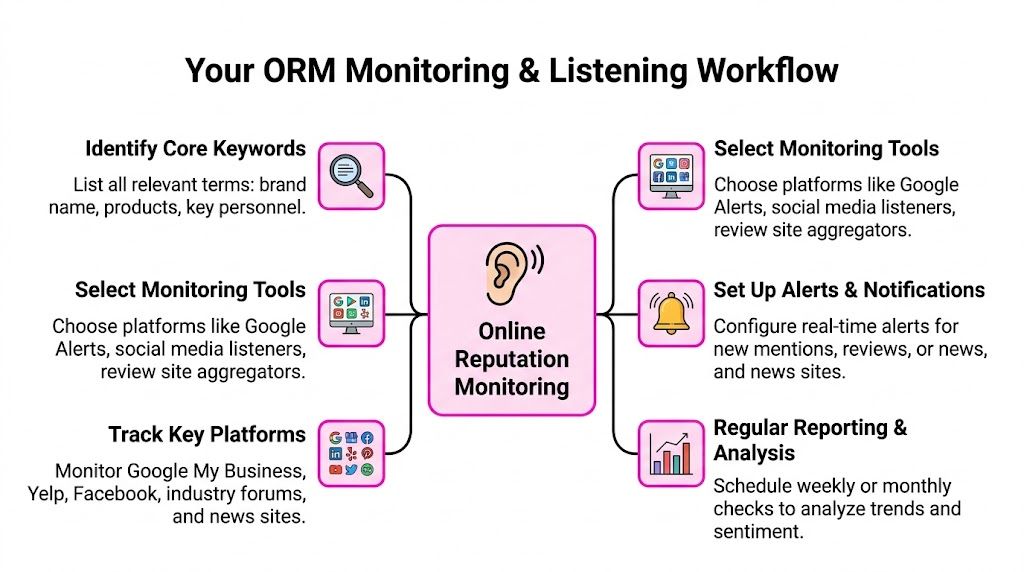
Monitoring means tracking your own assets
Monitoring covers channels you already manage or can access easily. That includes your Google Business Profile, Facebook page, Instagram inbox, review sites you know about, and your main directory listings.
This work is routine. It should be assigned, scheduled, and documented.
A simple monitoring stack usually includes:
- Google Business Profile notifications
- Review platform alerts
- Social media inbox and comment checks
- Google Alerts for your brand name and key staff names
- Directory checks for business details and duplicate listings
Listening means scanning the wider web
Listening goes further. It looks for what people say when they don't tag you.
That might include:
- Local Facebook groups
- Reddit threads
- News comments
- Forums
- Blog mentions
- Video comments
- AI-generated summaries pulling in older criticism
Public perception often forms outside your own pages. By the time a complaint reaches your inbox, dozens of people may already have seen it elsewhere.
Build a practical weekly process
You don't need an enterprise team to do this well. You do need discipline.
A workable process looks like this:
List your tracked terms
Include your business name, common misspellings, trading names, location names, and names of visible staff or directors.Map your priority platforms
Start with Google, Facebook, and your main industry-specific sites. Add local forums and major directories.Set alert rules
Immediate alerts for negative reviews, serious accusations, or media mentions. Daily or weekly digests for routine references.Tag and sort mentions
Group feedback into themes such as service, pricing, delays, staff attitude, quality, cleanliness, or booking issues.Review trends, not just incidents
One complaint may be noise. Repeated complaints usually point to a process problem.
Sentiment is useful when it becomes actionable
Advanced ORM platforms use sentiment analysis to classify mentions and spot changes in public perception. When negative sentiment exceeds a 30 to 40% concentration, search engines can algorithmically demote a brand’s visibility (sprinklr.com).
That doesn’t mean every negative comment triggers a ranking drop. It means clusters of unresolved negativity can affect discoverability.
Watch for patterns, not panic. A single harsh review is manageable. A sustained run of complaints across platforms needs intervention.
Centralisation saves time and reduces misses
Once a business has more than one location, or even just multiple active channels, manual checking starts to break down. Someone forgets Facebook. Someone else assumes Google was covered. A location manager spots a problem but doesn’t escalate it.
That’s where a central dashboard becomes useful. Tools that pull reviews and mentions into one place reduce the chance of silence. If you want a platform view of that workflow, LocalHQ offers a page on how to monitor online reputation here: https://localhq.io/monitor-online-reputation/
What to record every week
Use a simple sheet or dashboard and track:
| Item | What to note |
|---|---|
| New reviews | Platform, location, issue type |
| Unlinked mentions | Where they appeared and whether they need a response |
| Recurring complaints | What repeats and who owns the fix |
| Escalations | Legal, safety, fraud, staff conduct |
| Response gaps | Anything missed or delayed |
This process sounds basic because it is. The businesses that do it consistently usually catch problems early. The ones that don't end up responding in a rush, after the issue has already shaped public opinion.
Mastering the Art of Review Response
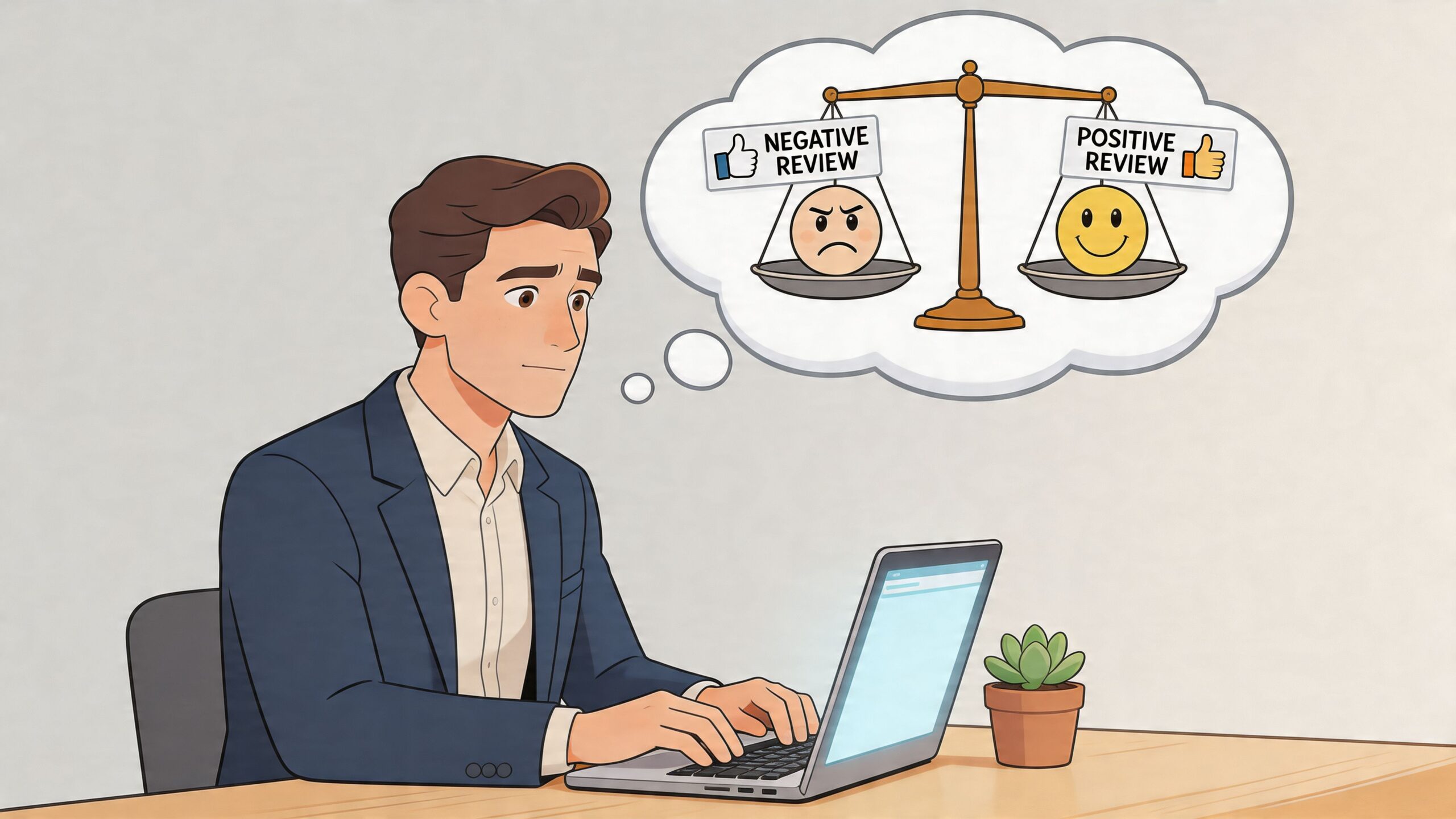
A review response is public customer service. Even when you're replying to one person, everyone else is reading to decide whether they'd trust you.
That’s why speed matters, tone matters, and structure matters. Most poor responses fail in one of three ways. They sound defensive, they sound robotic, or they never address the actual issue.
How to handle negative reviews properly
For negative feedback, use a four-part structure:
Acknowledge the experience
Show you've read the review and understood the concern.Apologise where appropriate
You can apologise for the poor experience without admitting legal liability.Explain briefly
Add context if it helps, but don't hide behind excuses.Move the resolution offline
Give a direct contact path and name a real next step.
Here’s the difference in practice.
Weak reply
“Sorry you feel that way. We were very busy that day.”
Better reply
“Thank you for the feedback. I’m sorry your visit felt rushed and that service fell short. That isn’t the standard we want to set. Please contact our team at the shop so we can look into what happened and try to put this right.”
The second version does three things the first doesn't. It accepts the complaint seriously, avoids an argument, and offers a route to fix it.
What not to do in public
Avoid these common mistakes:
- Blaming the customer
- Rehearsing your side of the dispute in detail
- Copying the same generic apology into every reply
- Using legalistic language too early
- Leaving clear inaccuracies unchallenged for weeks
If a review is false or abusive, don't start with a public fight. Document it, report it through the platform, and post a calm factual response only if needed.
For a more detailed breakdown of reply structure and examples, this guide on how do you respond to a Google review is useful: https://localhq.io/how-do-you-respond-to-a-google-review/
Positive reviews deserve more than “thanks”
Many businesses waste their best feedback by replying with one bland line.
A positive response should do at least one of these jobs:
- Reinforce what the customer praised
- Mention the service or team involved
- Encourage a return visit or repeat booking
- Reflect your brand voice without sounding scripted
For example:
| Review type | Better response angle |
|---|---|
| Praise for staff | Thank them and mention the team member or department |
| Praise for speed | Reinforce reliability or turnaround standards |
| Praise for atmosphere | Add a warm invitation to return |
| Praise for results | Confirm the outcome and show confidence |
A salon might say, “Thanks for taking the time to leave this. We’re glad the team made you feel looked after and that you were happy with the finish. We’ll pass this on.”
A trades business might say, “We appreciate the review. Good communication and tidy handover matter to us, so it’s good to hear that came through.”
Brand voice still matters
The right tone depends on the business.
A solicitor’s office should sound measured and composed. A café can be warmer and more informal. A healthcare provider needs empathy and discretion. What matters is consistency.
If your replies sound like they came from three different businesses, customers notice.
Set simple voice rules for anyone responding:
- Use the customer’s name if available
- Keep replies concise
- Don’t use slang unless it fits the brand
- Never use sarcasm
- End with a real route to continue the conversation when needed
Timeliness is part of the message
A fast reply tells people the business is present. A slow reply tells them complaints sit unattended.
Automation can be particularly helpful, especially for businesses with multiple locations or high review volume. Used properly, automation should support consistency and speed, not replace judgement. LocalHQ’s Review Autoresponder, for example, is designed to craft on-brand replies in real time within a broader local SEO workflow. That’s useful for routine responses, while sensitive complaints should still be checked by a human before publication.
The best review response systems combine both. Automation for speed. Staff oversight for nuance. Clear escalation for risk.
Proactive Reputation Building Strategies
Most businesses only think about reputation when something goes wrong. That keeps you in defence mode.
The stronger approach is to build enough positive, accurate, and visible signals that one bad week doesn't define the business. That means asking for feedback properly, publishing useful brand content, and keeping your location data clean across every place customers might find you.
Earn more reviews without cutting corners
You don't need gimmicks. You need a repeatable request process that reaches satisfied customers while the experience is still fresh.
Good methods include:
- QR codes at the point of service for restaurants, clinics, retail counters, and reception desks
- Follow-up emails or texts after a completed job or appointment
- Printed cards handed over with invoices or thank-you notes
- Staff prompts when a customer clearly expresses satisfaction
The request should be simple and ethical. Ask for honest feedback. Don’t screen only happy customers into public platforms if that would breach platform rules. Don’t offer incentives for positive reviews.
Publish content that supports trust
Reputation is also shaped by what appears when someone searches your brand name or local service plus location.
Useful content includes:
| Content type | Why it helps reputation |
|---|---|
| Staff profiles | Makes the business feel accountable and local |
| Community updates | Shows real-world presence |
| Service pages with clear detail | Reduces confusion before contact |
| FAQs and policies | Prevents complaints caused by mismatched expectations |
| Customer stories or testimonials | Adds supporting proof around your brand terms |
For local firms, this sort of content does two jobs at once. It gives search engines better context and gives customers more reasons to trust what they’re seeing.
NAP consistency is reputation work too
A lot of businesses treat NAP consistency as a separate SEO admin task. It isn't separate. It affects credibility.
NAP means Name, Address, and Phone number. If that information varies across directories, map listings, old Facebook pages, and industry sites, customers hesitate. Search platforms hesitate too.
According to ALM Corp, NAP inconsistency across online directories can cause a 25 to 40% drop in local search visibility (almcorp.com). For multi-location businesses, the problem compounds because one location's errors often create confusion across the wider brand.
Where local businesses usually slip
These are common problems:
- Old phone numbers still listed on niche directories
- Duplicate listings created after a move or rebrand
- Different trading names used in different places
- Mismatched opening hours across Google, Facebook, and the website
- Location pages that don’t match profile details
Each one creates friction. A customer calls the wrong number, arrives at the wrong unit, or thinks the branch is shut. They may leave a complaint that started as a data problem, not a service problem.
Reputation isn’t only what people say about you. It’s whether your digital footprint gives them a smooth, accurate experience.
Build a stronger base before trouble starts
If I were advising a multi-location operator, I’d usually prioritise proactive reputation work in this order:
- Fix core listings and duplicates.
- Put a regular review request process in place.
- Improve service pages and branch pages.
- Create a simple monthly content plan tied to trust.
- Review complaints by theme and feed them back into operations.
That combination is harder to copy than a star rating alone. It gives you a more stable reputation because it’s built into the business, not bolted on after the fact.
Your Local Business Crisis Playbook
A reputation crisis is different from a bad review. It has reach, speed, and the potential to reshape public opinion before you've gathered the facts.
For a local business, that might be a health and safety allegation, a viral social post about staff conduct, a coordinated fake review attack, or false claims repeated by AI-generated search summaries. The risk has changed. AI-driven misinformation has been ranked as a top business threat by the Global Risk Advisory Council (otterpr.com).
The first few hours matter most
Your first job is control, not commentary.
Use this checklist:
- Pause unsupervised replies so staff don't respond emotionally
- Capture evidence with screenshots, URLs, timestamps, and usernames
- Confirm what is true before publishing detailed statements
- Assign one spokesperson for public responses
- Separate legal risk from customer service issues
Don't let three different managers post three different messages. That creates a second crisis.
Start with a holding statement
If the issue is public and spreading, silence can look evasive. You may need a short holding statement while you investigate.
A useful holding statement usually does three things:
| Element | Purpose |
|---|---|
| Acknowledgement | Shows you are aware of the issue |
| Seriousness | Signals that you are investigating |
| Next step | Sets expectation for a further update |
Example:
“We’re aware of the concerns being shared online and are reviewing the matter urgently. We take this seriously and will provide an update once we’ve established the facts.”
That is often enough at the start. It avoids speculation and reduces the risk of saying something inaccurate.
Decide what kind of crisis you’re dealing with
Not every issue should be handled the same way.
Service failure
A delayed order, poor appointment handling, or staff rudeness complaint needs investigation and remediation.
False or malicious content
Document it, report it to the platform, and consider legal advice if the content is defamatory.
Safety or compliance allegation
Involve leadership immediately. Preserve records. Don’t improvise.
Coordinated fake reviews
Look for timing patterns, repeated wording, and account anomalies. If you suspect that’s what’s happening, this page on fake reviews on Google is relevant: https://localhq.io/fake-reviews-on-google/
A crisis plan should tell staff who is allowed to speak, where evidence is stored, and when legal or PR support gets involved.
Use a calm external framework
If you need a wider communication framework, 10 Essential Crisis Communication Best Practices is a practical reference. It’s useful because it keeps the focus on response discipline rather than panic.
After the public noise dies down
The recovery work matters as much as the first response.
Ask:
- What operational change is needed?
- Which pages, profiles, or statements need updating?
- What questions are customers now asking that weren’t addressed before?
- Which staff need briefing so the same issue isn’t repeated?
A business that handles a crisis well often becomes more credible afterwards. Not because the event was good, but because people saw clear leadership, honest communication, and visible correction.
Measuring and Automating Your ORM Success
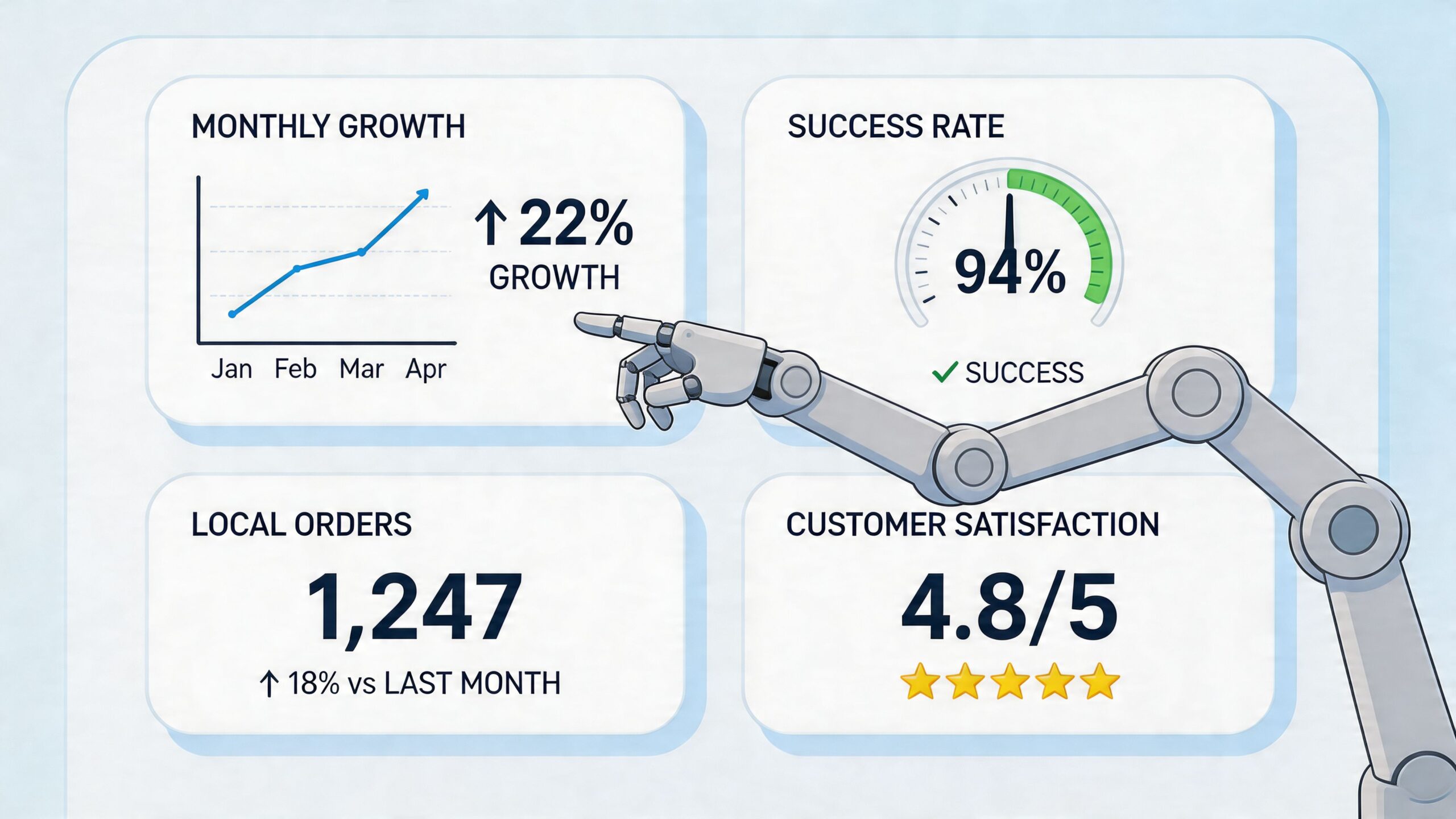
If you can't measure reputation work, you can't manage it properly. You also can't prove whether it’s helping calls, bookings, and map visibility.
That doesn’t mean you need an overly complex model. It means tracking the right indicators and linking them to business outcomes.
Start with practical KPIs
Use a monthly view and track:
- Average star rating
- Review volume
- Review recency
- Response time
- Response rate
- Sentiment trend
- Calls, clicks, and direction requests from your business profile
These metrics tell different stories. Rating shows broad perception. Recency shows current activity. Response time shows operational discipline. Business profile actions show whether reputation is supporting conversion.
Understand why recency matters
Enterprise reputation systems calculate a Reputation Score using factors such as star ratings, review volume, and recency. Newer reviews carry more weight, so rapid response becomes a technical lever, not just a courtesy (go.reputation.com).
That’s especially relevant for local businesses. A fresh complaint with no response can shape both customer perception and platform signals more sharply than an older issue that was handled well.
Tie reputation metrics to local SEO outcomes
Use reporting to look for relationships such as:
| ORM metric | Business outcome to compare |
|---|---|
| Faster response time | More enquiry confidence |
| More recent positive reviews | Better map engagement |
| Fewer unresolved complaints | Higher conversion from profile views |
| Cleaner listing data | Fewer customer misfires |
You won’t always get a neat one-to-one line. But over time, patterns emerge.
Automation helps if it removes delay
The best automation removes bottlenecks. It shouldn’t flatten your brand voice or publish careless replies to sensitive issues.
A strong setup usually includes:
- automatic alerts for new reviews
- templated guidance for common review types
- human approval rules for riskier cases
- reporting that combines reputation and profile engagement
If you want that reporting side in one place, this LocalHQ page shows the kind of Google Business Profile reporting workflow local teams often need: https://localhq.io/google-my-business-reporting-tool/
Frequently Asked Questions about ORM
Is online reputation management just about reviews
No. Reviews are one major part of it, but ORM also covers listings, social mentions, search results, media coverage, and how your business responds when public criticism appears outside your own channels.
Should every negative review get a response
Usually, yes. A calm, brief response shows the business is present and accountable. The exception is when a legal adviser tells you not to comment publicly, or when a platform issue is being handled through a formal dispute process.
Can fake reviews be removed
Sometimes. If a review breaches platform rules, you can report it and document why it appears false, abusive, or coordinated. Removal is never guaranteed, so keep records and prepare a measured public response if needed.
Does ORM matter for recruitment as well as customers
Yes. Local reputation affects how applicants view the business, especially in sectors with frequent hiring. Poor public feedback can put off both customers and prospective staff.
How often should a local business check its reputation
Daily for active review platforms and social channels. Weekly for wider listening and trend analysis. Monthly for a fuller report that links reputation signals to calls, bookings, visibility, and recurring service issues.
If your team is juggling reviews, listings, Google Business Profile activity, and reporting across one location or many, LocalHQ can help you manage that work from one place. It’s built for local search and Maps performance, with tools for monitoring reputation, streamlining review handling, and turning profile activity into clear reporting so you can act faster without losing control of brand voice.